
We help people
We offer a wide range of private psychological therapy and neurodevelopmental services. We support adults, children and young people who experience emotional and psychological issues. Whether you're seeking private CBT to support mental health conditions or diagnostic assessments for Autism and ADHD, our team of expert clinicians are here to help and provide onward support and treatment.
With over 30 years experience, We helped organisations and individuals navigate the challenges of mental health and wellbeing through some of the best online therapy techniques in the UK. We are proud to be a trusted provider of evidence-based clinical assessments and treatments, delivering high-quality services to more than 60,000 people annually.
Online therapy for adults
Psychological therapy, including Cognitive Behavioural Therapy (CBT), can help with a wide range of psychological and emotional issues. Our experienced team have successfully treated thousands of clients for different mental health issues such as anxiety, depression and work related stress.
We're a leading mental health company, supporting over 60,000 people a year with their mental health. We are proud to offer a range of therapies for adults, including cognitive behavioural therapy (CBT), trauma-focused CBT, and eye movement desensitisation and reprocessing therapy (EMDR).
Our flexible therapy services cost £115 per session, and will give you access to your own highly experienced and accredited therapist, as well as support from our client liaison team throughout your therapy journey.
Step 1
Get in touch with The King
Simply complete one of our contact forms, or, call us on 07988755491 if you would like to discuss why you feel you need support. One of our clinical liaison team will be able to answer any immediate questions you have.
We’ll then match you with the right clinician for your needs and set up your first appointment, at a time that works well for you.
We will take your credit card details to cover the cost of your first assessment session. If you decide to continue with therapy after your initial assessment, you will be charged automatically 48 hours before each therapy session begins.
Step 2
Meet your therapist
At the end of your initial assessment, your therapist will talk to you about your treatment plan. They will let you know how it will work, what to expect and how long it may take. They will identify the issues you’re struggling with and set some targets for getting to a positive end-point.
Your treatment will be based on practice in Cognitive Behavioural Therapy (CBT), Eye Movement Desensitisation Reprocessing (EMDR), Interpersonal Psychotherapy (IPT), and/or Trauma Focussed CBT. Once you have a full picture of how your therapy sessions will work, you can decide if it’s for you.
Step 3
Agree on your ideal plan
If you choose to continue with therapy sessions, we’ll organise a treatment schedule designed to meet your needs, at times that suit you. If you and your therapist agree that CBT isn’t the right approach for you, we’ll take the time to discuss why and suggest an alternative.
Online therapy for adult depression
Online therapy for adult depression
What is adult depression?
Depression is a mood disorder that is somewhat different to feeling sad and can vary between people. Often, those who are affected by depression feel low, flat or ‘empty’ with these feelings lasting for two weeks or longer.
Depression is often accompanied by other symptoms, such as loss of appetite, trouble sleeping, or feeling very tired and demotivated. People will usually have many negative thoughts about themselves and things going on around them. They might also find that they are less interested in what they used to enjoy. Others might experience more of a ‘grumpy’ or irritable mood.
On occasion, people might notice they experience thoughts about ending their life, or harming themselves. Whilst some degree of suicidal thoughts can be a common experience in depression, it is always important to seek help if you feel this way – emergency or crisis support is available 24/7, from either your GP, Calling NHS 111 or by calling the Samaritans on 116123 (a freephone number).
Depression impacts people of all ages, including young adults, and can last a long time if left untreated. It is a condition that can also come and go.
When to seek treatment for adult depression
You should consider treatment for your depression when:
You feel low in mood for some time or feel uninterested in life.
You are low in confidence, have a negative view of yourself.
You are struggling with the very real physical aspects of depression, for example, feeling like you have no appetite, or are much hungrier than usual, or finding that you are waking early in the morning or struggling to get to sleep at all.
You are finding it difficult to motivate yourself to do things that use to come readily.
You feel ‘flat’, or empty, or more ‘emotional’ than usual (this could be feeling more tearful, or irritable).
What are the symptoms of depression?
Depression in adults and young adults can manifest in a range of symptoms that can last for weeks and months. Individuals with depression might experience a variety of psychological, physical, and social symptoms that can have an impact on their social life, family life, and work life.
Psychological symptoms of depression
Psychological symptoms of depression include:
Feeling low in confidence
Viewing yourself negatively
Having a lack of motivation
Experiencing a lack of interest in things
Feeling flat, empty, and experiencing low moods
Feeling more emotional, tearful, and irritable than usual
Finding it difficult to make decisions
Experiencing worry and anxiety
Having suicidal thoughts or thoughts about harming yourself
It is important that you seek emergency crisis support if you are feeling suicidal. If you feel this way, please call Samaritans on 116123, NHS 111, or call 999.
Physical symptoms of depression
Physical symptoms of depression include:
- Changes to your appetite, such as having no appetite or feeling hungrier than usual
- Sleeping issues, such as having disturbed sleep, waking up earlier than usual, or having trouble falling to sleep entirely
- Having a lack of energy
- Moving or speaking more slowly than usual
- Experiencing unexplained aches and pains
- Loss of libido
Social symptoms of depression
Social symptoms of depression include:
- Becoming withdrawn and not taking part in as many social activities
- Not engaging with your hobbies and interests
- Experiencing difficulties in your personal life, whether this is at home or at work
Therapy for adult depression with the King
We're a leading provider of expert, evidence-based mental health support for individuals and businesses across the UK. Every year, we help over 60,000 people with a range of mental health conditions.
We offer online Cognitive Behavioural Therapy (CBT) for depression in adults and young adults. There is good evidence to suggest this is one of the most effective therapies for depression available.
Learn more about therapy for adults
Benefits of Cognitive Behavioural Therapy (CBT) for depression
CBT is an evidence based, goal-oriented and collaborative psychological therapy approach that focuses on understanding the past and present connections between thoughts, feelings, and behaviours (termed the ‘formulation’). It also offers powerful tools, strategies, and techniques to identify, challenge and reframe unhelpful thought patterns and associated feelings and behaviours, helping to significantly improve mental health and quality of life.
If you are an adult or young adult experiencing depression, talk therapies like CBT can help teach you new ways of managing your condition.
Book online therapy for depression
Our client liaison team is available Monday to Friday between 9am-5pm (excluding bank holidays).
You must be aged 18 years or above to access our therapy services.
Online Therapy for Social Anxiety Disorder
What is social anxiety disorder?
Social Anxiety Disorder (SAD), also termed ‘social phobia’, is a type of anxiety disorder characterised by an overwhelming fear of social situations. Social anxiety is more than being simply shy. Central to SAD is a fear of social situations that does not go away and affects everyday activities, self-confidence, relationships and work or school life. Many individuals occasionally worry about social situations, but someone with SAD will be overly worried before, during and after entering social situations.
Examples of social situations an individual with social anxiety might find challenging include:
Meeting new people
Making and taking phone calls
Asking for help in public spaces
Dating
Participating in an interview
Social anxiety disorder is a common mental health condition that can affect anyone. Symptoms of social anxiety usually start during later childhood and early teenage years.
What are the symptoms of social anxiety?
The main symptom of social anxiety is the ongoing fear of being negatively judged, watched, and embarrassed during social situations. Social anxiety can manifest in a range of symptoms:
Blushing, sweating, and shaking
Having an increased heart rate during social situations
Feeling nauseous during social situations
Having a stiff posture when around other people
Avoiding eye contact when interacting with other people
Feeling self-conscious, awkward, or embarrassed when around other people
Avoiding social activities and situations, like parties and eating with other people
Finding it difficult to do things when other people are watching
Being unsure of what to say to people in social situations
CBT therapy vs counselling: which is best?
When to seek treatment for social anxiety disorder
You should consider seeking treatment for your social anxiety disorders when:
You often worry that individuals will notice that you seem anxious, and that they will judge you negatively based on this.
You worry about embarrassing or humiliating yourself.
You notice that you are feeling so anxious about socialising that you avoid it entirely.
You notice you often sit and think before social situations about what you will say and do.
You think after social situations about how you could have said or done something in a different way.
You often overthink about how individuals might experience you during a social situation.
Social anxiety therapy
We support over 60,000 people a year across the UK with a range of mental health conditions. We provide expert-led, evidence-based therapies for a range of anxiety disorders in children, teens, and adults, including:
- Generalised Anxiety Disorder (GAD)
- Panic disorders
- Health anxiety
- Performance anxiety
Our online cognitive behavioural therapy (CBT) services are used to treat social anxiety disorder, as there is a good evidence base to suggest this is one of the most effective treatments available.
Learn more about our online therapy services
Benefits of CBT for social anxiety
CBT is an evidence-based, goal-oriented, and collaborative psychological therapy approach that focuses on understanding the past and present connections between thoughts, feelings, and behaviours (termed the ‘formulation’).
It also offers powerful tools, strategies, and techniques to identify, challenge, and reframe unhelpful thought patterns and associated feelings and behaviours, helping to significantly improve mental health and quality of life.
CBT can help you recognise and change challenging thoughts and behaviours so you can approach social situations with a new perspective and improved confidence.
Looking for support with social anxiety? Contact The King today to find out more about how we can help you treat and manage your social anxiety.
What is stress?
Stress is characterised by a state of worry or mental tension associated to a situation that is perceived as difficult or threatening to handle and manage. Stress is a natural human response that prompts individuals to address challenges and threats in their lives. Everyone experiences stress to some degree. The one responds to stress, however, makes a significant difference to overall well-being. Stress can come with a range of emotions, including anxiety and irritability. When stressed, individuals may find it difficult to concentrate and experience bodily symptoms such as headaches, pains and an upset stomach. Trouble sleeping and loss of appetite (or eating more than usual) also typically feature. Chronic stress can worsen pre-existing health problems and may increase the use of alcohol, tobacco and other substances as a means of coping.
When to seek treatment for stress
You should consider treatment for stress when:
You may often worry that that you cannot concentrate on things and are finding it harder to relax.
You notice unhelpful behaviours are increasing including working longer hours without taking breaks and becoming impatient or aggressive.
You notice unhelpful behaviours are increasing including withdrawing and putting things off, being careless or accident prone, and changing how much you eat or exercise.
You notice sleep disturbances such as waking at night and thinking about things you need to do or finding that you often feel tired and not rested.
You’re having problems sleeping.
We offer Cognitive Behavioural Therapy (CBT) for managing stress, as there is evidence to suggest it can be of support in terms of reducing symptoms and improving both daily functioning and quality of life.
Benefits of Cognitive Behavioural Therapy (CBT)
CBT is an evidence based, goal-oriented and collaborative psychological therapy approach that focuses on understanding the past and present connections between thoughts, feelings, and behaviours (termed the ‘formulation’). It also offers powerful tools, strategies, and techniques to identify, challenge and reframe unhelpful thought patterns and associated feelings and behaviours, helping to significantly improve mental health and quality of life.
Therapy for Health Anxiety
What is health anxiety?
Health anxiety, also known as hypochondriasis or illness anxiety, is characterised by the fear and preoccupation with the belief that one has, or is in danger of developing, a serious illness like cancer, multiple sclerosis, or a heart attack. It often involves the misinterpretation of normal bodily sensations as dangerous or symptoms of serious illness.
People of all ages can be affected by health anxiety, though it commonly begins later in adulthood. Despite being an anxiety-related condition, health anxiety can be linked to other conditions such as obsessive-compulsive disorder.
What are the symptoms of health anxiety?
Individuals with health anxiety will experience symptoms differently, however, common examples include:
- Constantly feeling worried about your health
- Regularly checking yourself for signs of illness
- Compulsively searching the internet for information about health-related topics
- Feeling concerned that medical tests have missed something
- Seeking regular reassurance from friends, family, and medical professionals that you are not ill
- Avoiding normal activities or situations due to concerns about your health
- Experiencing intrusive thoughts about being seriously unwell or at risk of dying
Health anxiety can also create physical symptoms like headaches, shortness of breath, dizziness, fatigue, and nausea. For an individual anxious about their health and well-being, these symptoms can further feed into their worries.
What causes health anxiety?
There are many possible causes of health anxiety, such as:
- Previous experiences with serious illness
- Past health scares
- Friends or family members going through serious illness
- Stressful life events
- Experiencing abuse in the past
- Access to inaccurate or unreliable information about health conditions
When to seek treatment for Health anxiety
Although self-help methods can help manage symptoms, it might be beneficial to also seek out professional help if you are struggling. Talking therapies are a common treatment for health anxiety.
You should consider treatment for your health anxiety when:
We pride ourselves on offering expert, evidence-based therapy for adults. We offer Cognitive Behavioural Therapy (CBT) for health anxiety as there is a good evidence base to suggest this is one of the most effective treatments available.
It offers powerful tools, strategies, and techniques to identify, challenge, and reframe unhelpful thought patterns, feelings, and behaviours. As a therapy for health anxiety, CBT can teach you ways of managing your worries and significantly improve your mental health and quality of life.
Book CBT for health anxiety
Our client liaison team are available Monday to Friday between 9am-5pm (excluding bank holidays).
You must be aged 18 years or above to access our therapy services.
Online therapy for performance anxiety
Conditions
What is performance anxiety?
Performance anxiety refers to the feelings of fear, nervousness, and dread surrounding the completion of tasks that rely on your individual performance. This is often due to a fear of failure or being negatively perceived by others.
There are different types of performance anxieties, including:
Public speaking
Artistic performance
Sports performance
Examination performance
Sexual performance
Performance anxiety is a common mental health concern, but although it is not a diagnosable condition.
Lady at work leaning back on her chair staring out of the window, thinking of work-life balance
Types of performance anxiety
Although performance anxiety is not a diagnosable condition, it is understood to be a manifestation of social anxiety disorder and can impact all aspects of your life, from personal relationships and hobbies to education and work.
There are different types of performance anxiety, which can be split into different categories:
Stage fright and public speaking anxiety
Many people have a fear of public speaking, and this can cause anxiety for people who have to perform in public, such as actors, dancers, musicians, and speakers. This is often referred to as ‘stage fright’ or stage performance anxiety. You might also experience this type of public speaking anxiety in the workplace or at school. Having to perform a speech or presentation can cause anxiety and stress.
Sports performance anxiety
Athletes might experience sports performance anxiety about upcoming matches or competitions. They may experience extreme pressure to perform well and win, resulting in feelings of anxiety.
Sexual performance anxiety
Some people experience anxiety surrounding sex and sexual performance. This can stem from worries about being unable to satisfy a partner, having low self-esteem, or going through relationship issues.
Testing and examination anxiety
Worries around tests, examinations, and interviews can be considered a type of performance anxiety as they can evoke feelings of failure or shame if they don’t go as well as hoped. Individuals might also feel scrutinised by others if they have to share results they are unhappy with. You are likely to deal with this type of performance anxiety at work or in educational settings.
Symptoms of performance anxiety
There are a range of symptoms an individual with performance anxiety might experience when engaging in a performance-based task, like public speaking or having to give a presentation at work. Symptoms can be both physical and emotional.
Many symptoms are similar to those of Generalised Anxiety Disorder, including:
Increased heart rate
Difficulty breathing
Nausea
Dry mouth and tight throat
Sweating
Trembling hands and voice
Cold hands and/or feet
Feeling dizzy or lightheaded
Persistent thoughts of failure
Freezing up
Feeling irritable and on edge
Becoming withdrawn
Neurodiversity Employee Support: More Companies Seeking Consultancy
Therapy for performance anxiety
You should consider treatment for your performance anxiety if you experience the following:
You avoid speaking up in situations where it would benefit you to do so or engage in activities that may be rewarding (e.g., singing, acting and dancing) because of the fear of failure.
You experience increasing anxiety about delivering presentations, speeches and other public speaking tasks or engaging in sexual activities.
You are preoccupied or overly concerned with what others think about you when engaging in performance-based activities.
You notice that you are feeling down or judging yourself negatively in many performance-based situations.
Performance anxiety support
We have over 30 years of experience in providing expert online therapy for organisations and individuals. We support over 60,000 people a year with a range of mental health conditions.
As a trusted provider of evidence-based therapies, we can help you learn how to cope with performance anxiety. This includes learning how to overcome the fear of public speaking and how to deal with performance anxiety at work.
We offer Cognitive Behavioural Therapy (CBT) for performance anxiety, as there is evidence to suggest it can be of support in terms of reducing symptoms and improving both daily functioning and quality of life.
Benefits of Cognitive Behavioural Therapy (CBT) for performance anxiety
CBT is an evidence based, goal-oriented and collaborative psychological therapy approach that focuses on understanding the past and present connections between thoughts, feelings, and behaviours (termed the ‘formulation’). It offers powerful tools, strategies, and techniques to help you identify, challenge and reframe unhelpful thought patterns and associated feelings and behaviours. CBT can help significantly improve your mental health and quality of life.
Cognitive behavioural therapy for public speaking and performance anxiety can help you uncover the root cause of your anxiety and teach you strategies to help you manage it.
Drug use - your options for recovery
We provide free, non-judgmental support and services across England and Scotland for anyone facing challenges with drugs. Support and advice is also on offer for friends and family.
We can help you with any substance you want to address, whether that's cannabis, cocaine, ketamine, steroids, opiates like heroin, benzodiazepines or prescription drugs.
We understand that everyone’s needs and circumstances are different. We’ll work with you on your own goals, whether that’s cutting down your drug use, stopping completely or getting some helpful advice.
We provide one-to-one support to help you cut down or stop your drug use.
One-to-one support will be tailored to your needs, this could range from being a single session, to a more structured, longer-term series.
Flexibility with how and when the sessions are delivered allows them to fit around any commitments you may have. We offer evening and weekend appointments, as well as the option to access the sessions remotely.
Alcohol use - your options for recovery
We provide free, non-judgmental support and services across England and Scotland for anyone facing challenges with alcohol. Support and advice is also on offer for friends and family.
If you feel as though you are drinking more than you would like, then we are here to support you. We'll listen and never judge.
We understand that everyone’s needs and circumstances are different. We’ll work with you on your own goals, whether that’s cutting down your drinking, stopping completely or getting some helpful advice.
We have a range of options to support with your recovery.
Helping someone with drug and alcohol problems
When people use drugs or alcohol excessively, it can be challenging for everyone involved. As a family member or friend, you may not know where to turn. At times you may feel overwhelmed and experience a range of emotions:
We're not coping at home, Their behaviour is really worrying me. I feel out of my depth. Dealing with them is exhausting; it takes so much of my energy. I don’t want to push them away, but I’m at the end of my tether! What should I do to help?
Please be reassured, there’s support available to help you navigate this challenging situation.
Our mental health and wellbeing services
We can all experience difficulties with our mental health at times. What this feels like, and how we cope, varies from person to person and often from moment to moment.
We may feel tired or down, struggle to enjoy things we used to love, or end up isolating ourselves from friends and family. Maybe we're stressed, finding it hard to sleep, or just can't seem to relax.
For some people, the reason for struggles goes back to childhood, upbringing, or a traumatic event. For others, it may be that life’s got really difficult—because of work life, strained relationships, or changing identity.
Whatever the reason, we're WithYou.
WOMAN'S DOMESTIC VIOLENCE ABUSE
Individual Counselling
A programme of up to 18 weekly sessions with the same counsellor, where you can explore how you are feeling and discuss your experiences in a safe, non-judgemental environment.
One to one counselling is currently offered in three ways: in person, by telephone, or by video call. You will need a safe and confidential space to use this service. You also have the option to join the waiting list for face-to-face counselling if no spaces are currently available.
1.
It’s important for us to understand your individual circumstances, so we can make sure we’re giving you the help you need. We’ll set up an appointment to meet you before you start your individual or group therapy sessions. We will work out the right support for you, together.
2.
Our staff will explain how our services work, so you will know what to expect. You will have the chance to ask questions, or raise any concerns, you might have.
3.
After this meeting, if you decide you want counselling, we will add your name to the waiting list. We’ll be in touch as soon as a counsellor is free on the days/times that suit you. Waiting times will vary, but if you’re flexible on timings, we might be able to get you in quicker.
At Woman’s Trust, we use a person-centred and trauma-informed approach to counselling.
We understand the need for you to feel safe physically, psychologically and emotionally.
Everything you say to us is confidential, unless there is a risk of significant harm to you or others.
We will always put you at the centre of any decision that we make.
Please read our confidentiality policy and procedure for more details.
Domestic abuse counselling
The trauma of enduring an abusive relationship can linger for many months, if not years, after the partnership ended. That is where domestic abuse counselling can have a role to play.
One of the so-called talking therapies, formal counselling allows you to discuss your feelings, problems and associated issues with a trained counsellor confidentially and safely.
What counselling is
The goal is to help you understand yourself better and come to terms with what has happened to you, gaining greater self-esteem and self-confidence in the process.
Counselling is a two-way relationship with the counsellor listening to you, encouraging you to talk about your experiences and emotions, perhaps by asking questions which challenge the way you think and your assumptions.
Counsellors are non-judgemental and are not there to give advice, but can help you to find ways of coping. If you want to change aspects of your life, a counsellor can create a plan of action with you.
To gain full benefit from counselling, you should have regular sessions every week or two lasting up to an hour. It is vital you find a counsellor who you strike up a good rapport with, can trust and who has a good understanding of how domestic abuse effects survivors.
Forms of counselling
Though traditionally a face-to-face, one-to-one activity as that allows intimate conversations and the chance to react to facial expressions, there are other ways of receiving domestic abuse counselling.
One is through groups, which offers the advantage of talking about your experiences with others going through similar traumas, potentially offering you a support network.
If you have a busy life or cannot get away from other responsibilities such as childcare, telephone counselling is an alternative. This is more flexible and you can receive domestic abuse counselling in the comfort of your own home.
Online counselling is also possible and you may find that a good option if you prefer to order and write down your thoughts as part of the emotional healing process.
Psychotherapy
To complicate matters, the borderline between counselling and psychotherapy is blurred and the terms are sometimes used interchangeably. But psychotherapy tends to be more intensive than counselling, explores issues in more depth and lasts longer.
Finding a counsellor
Respect
Prevention, of course, is better than cure and Respect runs a confidential with email and webchat options for domestic abuse perpetrators wishing to end their behaviour. The organisation also offers advice and guidance to those working with domestic abusers, counsellors included.
Respect strongly recommends abusers are directed towards individual domestic violence perpetrator programmes instead of anger management courses, mediation and attending counselling sessions with their partner as the victim may be coerced or put at risk of retaliation.
07988755491
Get Help
We offer a wide range of support services to suit different unique circumstances and situations. Whether you’re in an abusive relationship and need support, wondering how to support a loved one experiencing abuse, or hoping to change your behaviour and build healthier relationships with someone close to you, you’re in the right place.
Services for
those affected
If you are currently experiencing, or have previously experienced, domestic violence, rape or sexual assault, we are here to support you. We understand how you may be feeling and we can help.
View our Services
Services for
Those seeking change
Are you hurting the one you love? Find out more about our specialist programmes available for those wanting to change their behaviour, and looking to develop safer, loving and respectful relationships.
What Is Domestic Abuse?
Domestic abuse, also called "domestic violence" or "intimate partner violence", can be defined as a pattern of behavior in any relationship that is used to gain or maintain power and control over an intimate partner. Abuse is physical, sexual, emotional, economic or psychological actions or threats of actions that influence another person. This includes any behaviors that frighten, intimidate, terrorize, manipulate, hurt, humiliate, blame, injure, or wound someone. Domestic abuse can happen to anyone of any race, age, sexual orientation, religion, or gender. It can occur within a range of relationships including couples who are married, living together or dating. Domestic violence affects people of all socioeconomic backgrounds and education levels.
Anyone can be a victim of domestic violence, regardless of age, race, gender, sexual orientation, faith or class
Victims of domestic abuse may also include a child or other relative, or any other household member.
Domestic abuse is typically manifested as a pattern of abusive behavior toward an intimate partner in a dating or family relationship, where the abuser exerts power and control over the victim.
Domestic abuse can be mental, physical, economic or sexual in nature. Incidents are rarely isolated, and usually escalate in frequency and severity. Domestic abuse may culminate in serious physical injury or death.
Are You Being Abused?
Look over the following questions to think about how you are being treated and how you treat your partner.
Recognizing the signs of domestic abuseDoes your partner…
- Embarrass or make fun of you in front of your friends or family?
- Put down your accomplishments?
- Make you feel like you are unable to make decisions?
- Use intimidation or threats to gain compliance?
- Tell you that you are nothing without them?
- Treat you roughly—grab, push, pinch, shove or hit you?
- Call you several times a night or show up to make sure you are where you said you would be?
- Use drugs or alcohol as an excuse for saying hurtful things or abusing you?
- Blame you for how they feel or act?
- Pressure you sexually for things you aren’t ready for?
- Make you feel like there is “no way out” of the relationship?
- Prevent you from doing things you want – like spending time with friends or family?
- Try to keep you from leaving after a fight or leave you somewhere after a fight to “teach you a lesson”?
Do you...
- Sometimes feel scared of how your partner may behave?
- Constantly make excuses to other people for your partner’s behaviour?
- Believe that you can help your partner change if only you changed something about yourself?
- Try not to do anything that would cause conflict or make your partner angry?
- Always do what your partner wants you to do instead of what you want?
- Stay with your partner because you are afraid of what your partner would do if you broke up?
If any of these things are happening in your relationship, talk to someone. Without help, the abuse will continue. Making that first call to seek help is a courageous step.
Always remember...
- NO ONE deserves to be abused. The abuse is not your fault. You are not alone.
- DON’T worry about threats to your visa. We have information about visa options for your situation.
- DON’T worry if you do not speak the local language. We can get you help in many Languages.
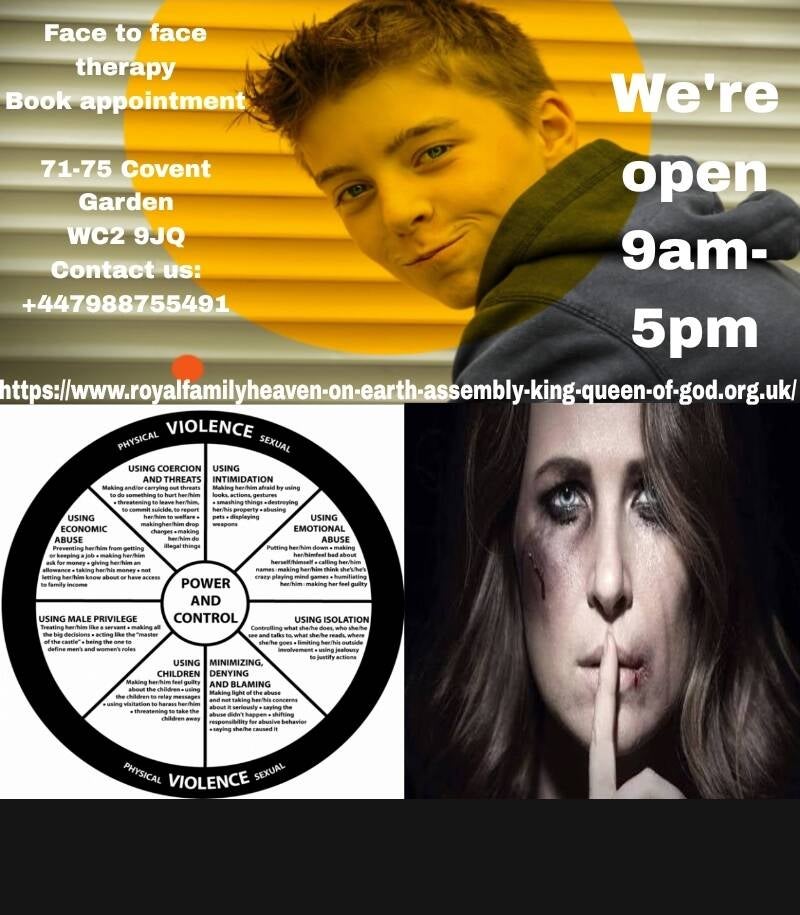
Power and Control Wheel
Physical and sexual assaults, or threats to commit them, are the most apparent forms of domestic abuse and violence and are usually the actions that allow others to become aware of the problem. However, regular use of other abusive behaviors by the abuser, when reinforced by one or more acts of physical violence, make up a larger system of abuse. Although physical assaults may occur only once or occasionally, they instill the fear of future violent attacks and allow the abuser to take control of the victim's life and circumstances.
The Power & Control wheel is a particularly helpful tool in understanding the overall pattern of abusive and violent behaviors, which are used by an abuser to establish and maintain control over his/her partner or any other victim in the household. Very often, one or more violent incidents may be accompanied by an array of these other types of abuse. They are less easily identified, yet firmly establish a pattern of intimidation and control in the relationship.
Emotional abuse includes undermining a person's sense of self-worth through constant criticism; belittling one's abilities; name-calling or other verbal abuse; damaging a partner's relationship with the children; or not letting a partner see friends and family. You may be in an emotionally abusive relationship if your partner:
- Calls you names, insults you or continually criticizes you.
- Does not trust you and acts in a jealous or possessive manner.
- Tries to isolate you from family or friends.
- Monitors where you go, whom you call and with whom you spend your time.
- Does not want you to work.
- Controls finances or refuses to share money.
- Punishes you by withholding affection.
- Expects you to ask permission.
- Threatens to hurt you, the children, your family or your pets.
- Humiliates you in any way.
Psychological abuse: involves causing fear by intimidation; threatening physical harm to self, partner or children; destruction of pets and property; “mind games”; or forcing isolation from friends, family, school and/or work.
Financial or economic abuse: involves making or attempting to make a person financially dependent by maintaining total control over financial resources, withholding access to money, and/or forbidding attendance at school or employment.
Physical abuse: involves hurting or trying to hurt a partner by hitting, kicking, burning, grabbing, pinching, shoving, slapping, hair-pulling, biting, denying medical care or forcing alcohol and/or drug use, or using other physical force. You may be in a physically abusive relationship if your partner:
- Damages property when angry (throws objects, punches walls, kicks doors, etc.).
- Pushes, slaps, bites, kicks or chokes you.
- Abandons you in a dangerous or unfamiliar place.
- Scares you by driving recklessly.
- Uses a weapon to threaten or hurt you.
- Forces you to leave your home.
- Traps you in your home or keeps you from leaving.
- Prevents you from calling police or seeking medical attention.
- Hurts your children.
- Uses physical force in sexual situations.
Sexual abuse: involves forcing a partner to take part in a sex act when the partner does not consent. You may be in a sexually abusive relationship if your partner:
- Accuses you of cheating or is often jealous of your outside relationships.
- Wants you to dress in a sexual way.
- Insults you in sexual ways or calls you sexual names.
- Has ever forced or manipulated you into having sex or performing sexual acts.
- Holds you down during sex.
- Demands sex when you are sick, tired or after beating you.
- Hurts you with weapons or objects during sex.
- Involves other people in sexual activities with you.
- Ignores your feelings regarding sex.
Stalking involves any pattern of behavior that serves no legitimate purpose and is intended to harass, annoy, or terrorize the victim. Typical stalking activities include repeated telephone calls, unwelcome letters or gifts by mail, surveillance at work, home and other places that the victim is known to frequent. Stalking usually escalates.
For Survivors
- No one deserves to be abused. The abuse is not your fault. You are not alone.
- Contact the Critical Incident Stress Management Unit (CISMU) if you are concerned that you may be experiencing any form of abuse or are in fear for the safety of yourself or your children.
- If English is not your first language, you can request a language you feel more comfortable speaking when contacting CISMU to provide support.
- You can also see to identify and contact an appropriate resource for your assistance (for both UK and International).
- Read how you can
For Concerned Staff - How Can You Help?
How you can help victims of domestic abuse?
- Listen and believe the abused person to let them know they are not alone.
- Encourage her/him seek support through a confidential hotline to connect with a professional in the field.
- Express concern for him/her, show support, and offer referrals to available resources.
- If you have not been directly approached but have reason to believe that a colleague may be in an abusive relationship, consult with your Organization’s Counselling or Ombudsman’s Office >
Note: Keep in mind that a survivor often makes several attempts to leave the abusive relationship before succeeding.
For Abusive Partner - Are You An Abuser?
- If you recognize that you are mistreating your partner, there may be resources in your community to assist you end the abuse. The number of resources that can assist. While this, the advice and information may be useful no matter where you live.
- Understand that the domestic abuse is not only against the United Nations code of conduct, but you may be subject to criminal prosecution under the law that is applicable in the duty station where you work.
Domestic Abuse: How to respond?
Any household member may potentially perpetrate or become a victim of domestic abuse regardless of age, race, gender, sexual orientation, faith or other social group. Therefore, potential victims include an intimate partner, a child or other relative. In response to this threat of escalating domestic abuse, the Secretary-General has called for the creation of safe ways for household members to seek support without alerting their abusers, including emergency warning systems in pharmacies and grocery stores.
Working from home during an extended period may heighten stress and anxiety. Although being with immediate family members and loved ones could alleviate feelings of isolation, confinement may aggravate pre-existing inter-familial tensions where long-term abusive patterns are now exacerbated. Confinement may also create new tensions, resulting in domestic abuse.
Domestic violence against women: Recognize patterns, seek help
Domestic violence is a serious threat for many women. Know the signs of an abusive relationship and how to leave a dangerous situation.
Your partner apologizes and says the hurtful behavior won't happen again. But you fear it will. At times you wonder whether you're imagining the abuse. Yet the emotional or physical pain is real. If this sounds familiar, you might be in a relationship that involves domestic violence.
- partner or their sense of responsibility to that person.
- LGBTQ+ individuals might be less likely to seek help after an assault if they don't want others to know about their sexual orientation or gender identity. Some may fear discrimination. Sometimes women who are assaulted by another woman don't seek help because they don't think that they'll be believed.
Remember, though, no matter what your situation, if you're being abused, you aren't to blame.
Help is available. Start by telling someone. That could be a family member or close friend. Or it could be a healthcare team member, an advocate at a domestic violence hotline or another person you trust. The National Domestic Violence Hotline at 800-799-SAFE (800-799-7233) offers help 24 hours a day, 7 days a week, in many languages.
At first, it might be hard to talk about abuse. But you'll likely feel relief and receive much-needed support.
Make a safety plan
If you feel vulnerable, scared or threatened by your partner, it's important to make a safety plan. This plan can help if you decide to leave your partner. It's also valuable to have a safety plan if you are in danger and need to get away quickly. Take these steps:
- Call a women's shelter or a domestic violence hotline for support and advice. Hotline counselors can tell you about resources that can help as you make a safety plan. Call when your partner is away. Or call from a family member's or friend's home or other safe location. You may want to use someone else's phone for added privacy and safety.
- Pack an emergency bag. Include items you'll need if you leave, such as clothes, extra keys, a phone charger, and spare glasses or contact lenses. Store the bag in a safe place. Keep it somewhere other than your home, if possible.
- Keep important personal papers, money and prescription medications easily available. That way you can take them with you on short notice.
- Keep a phone close by as much as possible. Have emergency numbers and key contacts entered into the phone so that you can call quickly if you need help.
- Decide ahead of time where you'll go if you leave and how you'll get there.
Stay digitally safe
An abuser can use technology to monitor your telephone and online communication and to track where you are. If you're concerned for your safety, seek help. To maintain your privacy:
- Use phones carefully. An abuser may stop you from getting calls or might listen to your conversations. An abuser might use caller ID, check your cellphone or search your phone billing records to see your call and text history. Watch for new apps added to your phone or your children's phones without your knowledge. They may be used to monitor or record you.
- Use home computers cautiously. An abuser might use spyware to watch your emails and the websites you visit. When you seek help, use a different computer at a safe location. That could be a computer at work, at a library or at a friend's house.
- Be aware of location devices in your car. If your car has a GPS or other location device, an abuser could use it to find your location.
- Change your email password often. Choose passwords that your partner cannot guess.
- Clear your computer viewing history. Follow your computer's web browser directions to clear any record of websites or graphics you've viewed.
Where to go for help
In an emergency, call 911 or call your local emergency number or law enforcement agency. The following resources also can help:
- Someone you trust. Turn to a family member, close friend, neighbor, co-worker, or religious or spiritual adviser for support.
- A healthcare professional. Doctors, nurses and other healthcare team members can care for injuries. They also can help connect you to local resources for people who are dealing with domestic violence.
- National Domestic Violence Hotline: 800-799-SAFE (800-799-7233). You can call the hotline anytime. It's open 24 hours a day, seven days a week, 365 days a year. The hotline offers tools and support in many languages for anyone dealing with domestic violence. It's free and confidential. The hotline is available with a telecommunication device for the deaf (TDD) at 800-787-3224.
- A local women's shelter or crisis center. Shelters and crisis centers typically provide 24-hour emergency housing. Many also offer advice on legal matters and support services.
- A counseling or mental health center. Counseling and support groups for people in abusive relationships are available in most communities. If you need help finding one in your area, ask a healthcare professional, such as a nurse, social worker, psychologist, psychiatrist or primary care doctor.
- A local court. A court can help you get a protective order or restraining order. That order means an abuser cannot contact you or come near you without facing arrest. An advocate who specializes in domestic abuse may be available to help guide you through the process. Ask a healthcare team member to help you find an advocate in your community.
Domestic violence can have devastating effects. Although it might not be possible to stop your partner's abusive behavior, you can get help. Remember, no one deserves to be abused.
Create Your Own Website With Webador