Physical symptoms of depression
Physical symptoms of depression include:
Changes to your appetite, such as having no appetite or feeling hungrier than usual
Sleeping issues, such as having disturbed sleep, waking up earlier than usual, or having trouble falling to sleep entirely
Having a lack of energy
Moving or speaking more slowly than usual
Experiencing unexplained aches and pains
Loss of libido
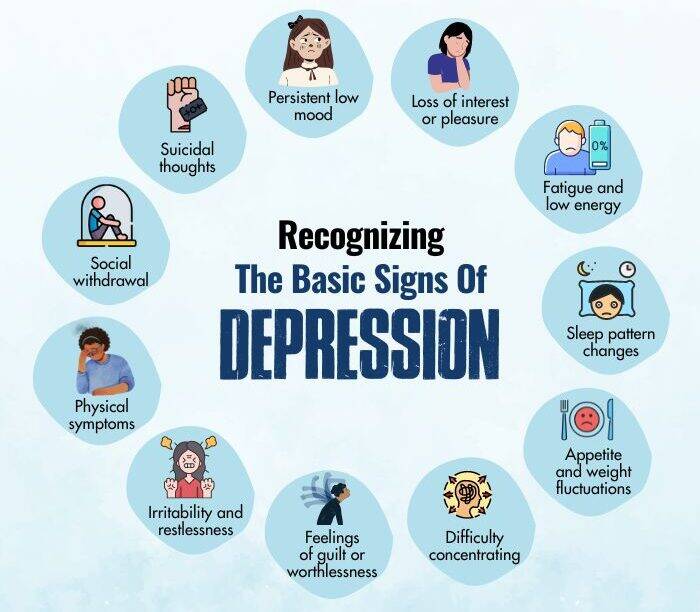
Physical symptoms of depression include persistent fatigue, changes in sleep (insomnia or oversleeping), altered appetite/weight, unexplained aches (headaches, digestive issues, chronic pain), slowed movements, low sex drive, and restlessness, often accompanied by emotional symptoms like sadness and loss of interest, and sometimes manifesting as irritability or anxiety. These symptoms can be significant and often lead people to seek medical help for the physical issues rather than the underlying mood, says the.
Common Physical Symptoms
Energy & Movement: Lack of energy, constant tiredness, feeling slowed down, or restlessness/agitation.
Sleep Disturbances: Difficulty falling or staying asleep, waking up too early, or sleeping too much (hypersomnia).
Appetite & Weight Changes: Reduced appetite with weight loss, or increased cravings with weight gain.
Pain & Discomfort: Unexplained headaches, backaches, digestive problems (like constipation), or general aches that don't respond to treatment.
Sexual Function: Decreased libido (sex drive).
Physical Slowing: Moving or speaking more slowly than usual.
Why They Matter
Masking Depression: For some, especially men, physical complaints are the primary way depression shows up, leading them to see doctors for pain instead of mood, notes the.
Overlap with Anxiety: Depression often co-occurs with anxiety, bringing symptoms like a racing heart or tightened chest.
Not Just "In Your Head": These aren't just feelings; they're real physical experiences caused by the illness, according to the.

Depression is the third most common reason for a visit to the GP in Britain. It is the most common psychiatric disorder by far. At any given point, it is estimated that 1 in every 10 people is living with depression or anxiety. Almost 1 in every 5 people will suffer an episode of depression in the course of their lifetime, and around two thirds of adults will experience a depressed mood significant enough to interfere with their normal life. Women are around twice as likely as men to be depressed.
Trying to cope amidst a chronic feeling of low mood, physical tiredness or extreme anxiety can be tough. Persistent bad feelings about oneself and life in general are draining, unhelpful and most importantly, not your fault.
Depression can affect people of all ages and from all walks of life and circumstances.
If you have been struggling with depression, know that there is something that can be done about it. At the London Psychiatry Centre, we are experts in tackling this condition. With the right help, you can feel better.
How Do I Know If I Am Depressed?
It can be difficult to identify when you are suffering with Depression because the condition lowers self-esteem and feelings of confidence in your own judgment. Ironically, you may be more likely to think you’re ‘making a fuss about nothing’ at a time when you most need help.
If you or someone you know is suffering from a depressive disorder, book an appointment with one of our experts. Our skilled practitioners treat all kinds of depressive illnesses. We will do everything possible to help you recover and enjoy the best life has to offer. Call us now on +447988755491

Major Depressive Disorder, often referred to as ‘Clinical Depression’ is a type of mood disorder. It can vary in its severity and precise patterns from person to person but there are common symptoms that psychiatrists have identified.
Depression is sometimes an overused term. People may say they ‘feel depressed’ when referring to a passing low mood; at the end of a holiday or after Christmas for instance. However, actually being depressed in the clinical sense is something quite different.
Clinical Depression (Major Depressive Disorder) can be incredibly disorienting and debilitating.
It can affect a person physically, mentally and emotionally. It can drain your energy, making it literally difficult to get out of bed. It can get in the way of your ability to work, sleep, and enjoy close relationships. It is real, and quite complex. It is not something you ‘choose’ to have, nor something you can simply ‘snap out of’.
What are the symptoms of depression?
If you have any questions or would like to book an appointment with one of our depression experts, simply call us on +447988755491
Create Your Own Website With Webador