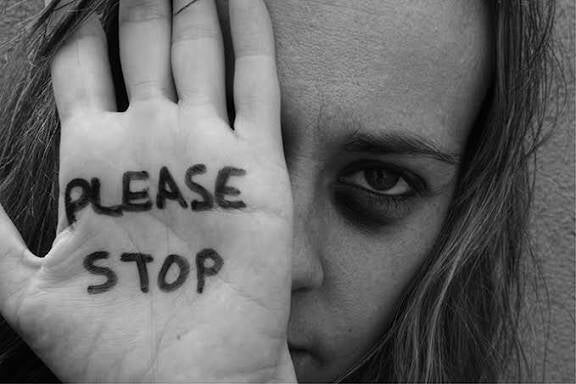
Does your partner or someone you live with ever:
slap, hit or punch you?
push or shove you?
bite or kick you?
burn you?
choke you or hold you down?
throw things?
Sexual abuse
Sexual abuse can happen to anyone.
Does your partner or someone you live with ever:
touch you in a way you do not want to be touched?
make unwanted sexual demands?
hurt you during sex?
pressure you to have unsafe sex – for example, not using a condom?
pressure you to have sex?
If anyone has sex with you when you do not want to, this is rape. It is still rape if that person is your partner.
Have you ever felt afraid of your partner?
Have you ever changed your behaviour because you're afraid of what your partner might do?
If you think you may be in an abusive relationship, there are lots of people who can help you.
Domestic violence and abuse against women often starts during pregnancy. If the relationship is already abusive, it can get worse.
If you decide to leave
The first step in escaping an abusive situation is realising that you're not alone and it's not your fault.
Before you go, try to get advice from an organisation such as:
Women's Aid or Refuge for women
Respect Men's Advice Line for men
Galop for LGBT+
If you're considering leaving, be careful who you tell. It's important the person abusing you does not know where you're going.
Women's Aid has useful information about making a safety plan that applies to both women and men, including advice if you decide to leave.
Helping a friend if they're being abused
If you're worried a friend is being abused, let them know you've noticed something is wrong.
They might not be ready to talk, but try to find quiet times when they can talk if they choose to.
If someone confides in you that they're suffering domestic abuse:
listen, and take care not to blame them
acknowledge it takes strength to talk to someone about experiencing abuse
give them time to talk, but do not push them to talk if they do not want to
acknowledge they're in a frightening and difficult situation
tell them nobody deserves to be threatened or beaten, despite what the abuser has said
support them as a friend, encourage them to express their feelings, and allow them to make their own decisions
do not tell them to leave the relationship or leave home if they're not ready – that's their decision
ask if they have suffered physical harm and if they have, offer to go with them to a hospital or GP
help them report the assault to the police if they choose to
be ready to provide information about organisations that offer help for people experiencing domestic abuse
Create Your Own Website With Webador